
A Comprehensive Guide to Prenatal Fitness
What is Prenatal Fitness and Why Does it Matter?
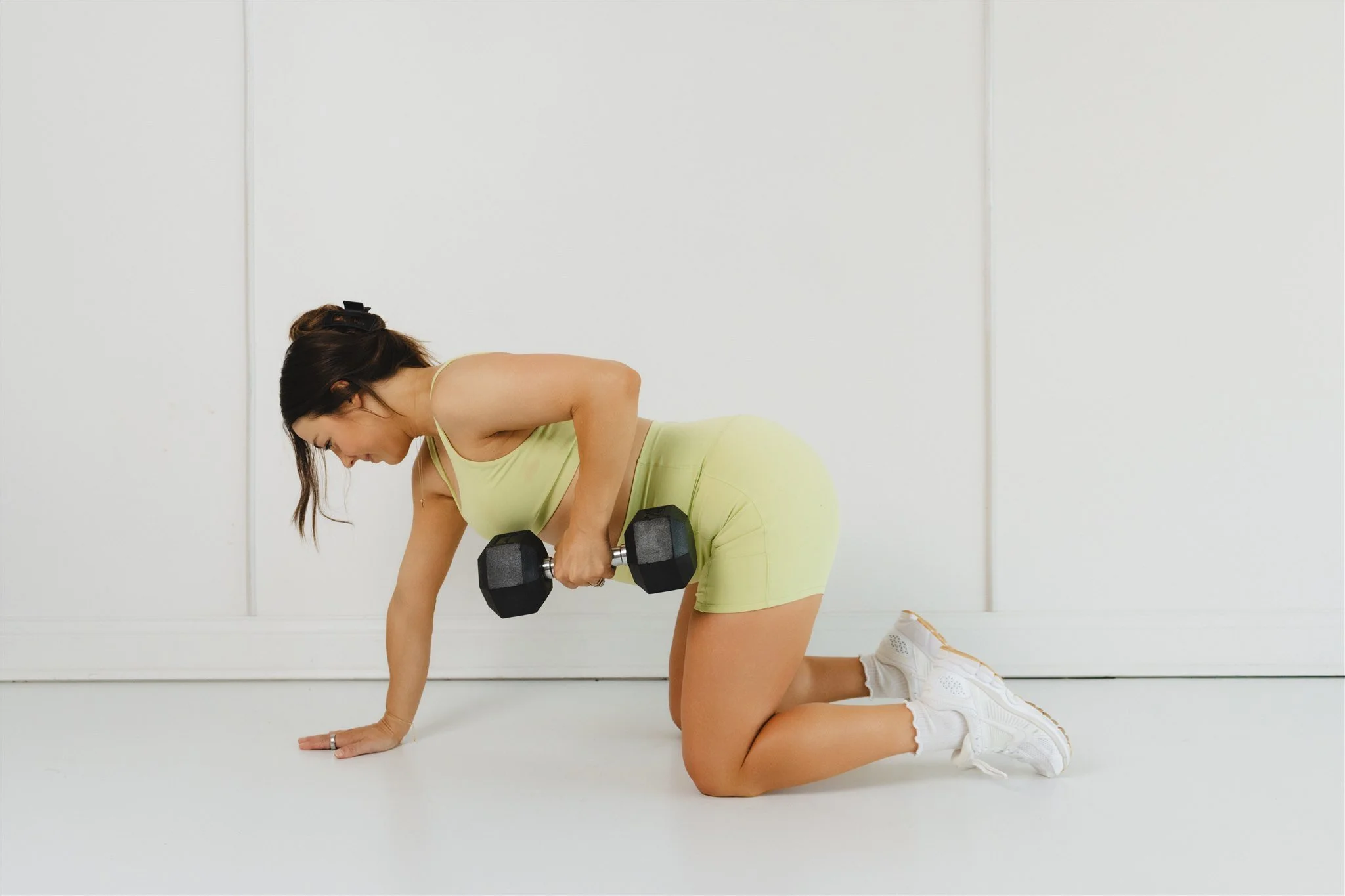
Prenatal fitness is not only about being physically active during pregnancy. It involves working out your body deliberately to be able to navigate the pregnancy, delivery, and postnatal stages with more ease and less difficulty. You have a lot of work going on inside your body at the moment, and by exposing your body to the proper movements, you will be supporting its efforts in strengthening the core muscles, the pelvic floor, and energy levels. To understand exactly why staying strong matters for both you and your baby, read more about the benefits of strength training during pregnancy.
Is it Safe to Exercise While Pregnant?
This is probably the question I get asked most frequently, and the quick answer is yes. In most cases, not only is exercise safe during pregnancy; it is actively encouraged. The evidence overwhelmingly supports the notion that exercise can decrease some of the discomforts associated with pregnancy, ease labor, and even make you feel more like yourself during the entire experience. As always, though, pregnancy is different for everyone, and it’s always important to involve your healthcare provider first.
Best Exercises for Each Trimester
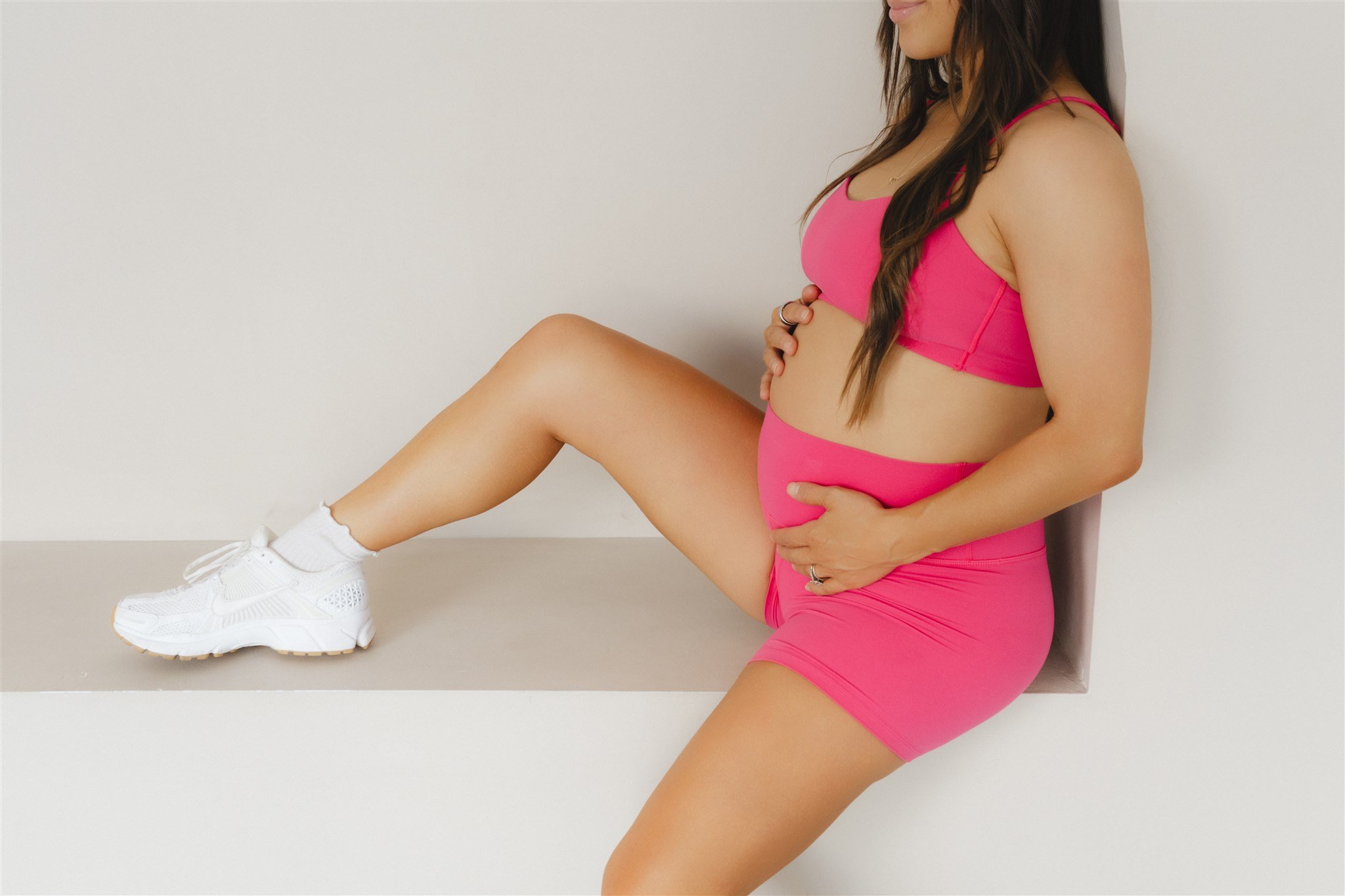
Your body will require something different from you during every trimester, and your exercise plan needs to keep up with that. The first trimester will mostly be characterized by feelings of tiredness and morning sickness that can make moving around difficult, when in fact it could actually alleviate some of those symptoms. Energy will be restored in the second trimester, which makes it the perfect time to focus on building strength. The third trimester is all about preparing your body for labor while adjusting for your growing belly. If you are in that rough first stretch right now, check out my tips for combating first trimester fatigue and nausea through movement.
Exercises to Avoid During Pregnancy
As much as exercise is healthy and recommended, there are certain things that should either be adjusted or avoided as your pregnancy advances. Some of these exercises include those where you would spend extended periods lying down flat on your back, activities that have the likelihood of causing a fall, and exercises that exert too much pressure on your abdomen. Understanding these adjustments is not about fear. It is about training smart so you can stay strong without added risk.
Strength Training While Pregnant
Strength training while pregnant has changed a lot from the advice that said to just slow down and rest. We now understand that strength training that is adjusted properly is not safe for most healthy pregnancies; it is also beneficial for you and your baby. It helps your body get ready for the changes of being pregnant, helps with getting ready for labor, and can make it easier to recover after the baby comes. To dive deeper into the research and learn how to approach it safely, read my full breakdown of the benefits of strength training during pregnancy.
Running During Pregnancy: What You Need to Know
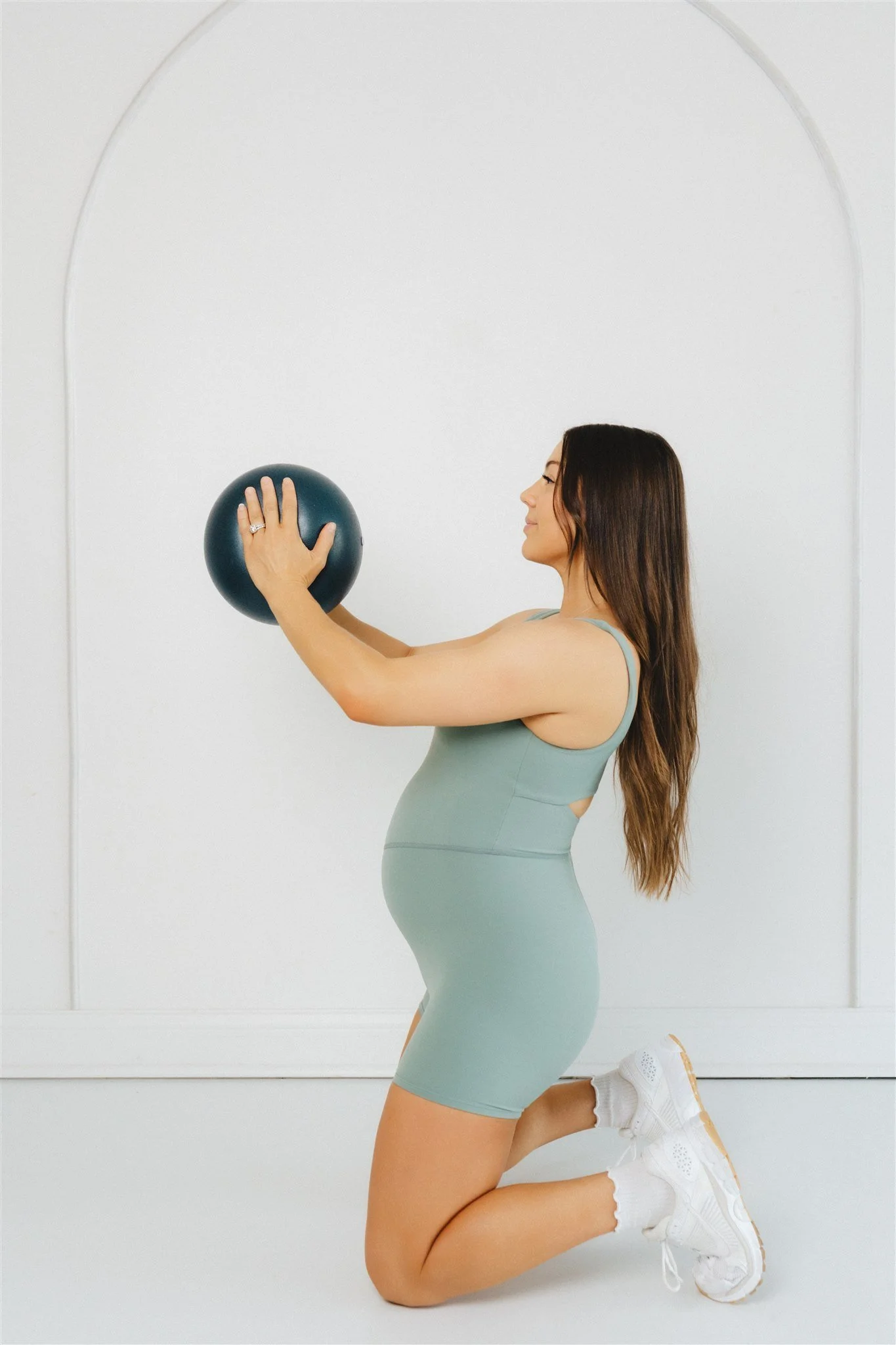
If you were a runner before pregnancy, there is a good chance you can keep running throughout, as long as you and your provider are on the same page. That said, running puts a significant demand on your pelvic floor due to the impact forces involved, so it is worth paying close attention to your form, your symptoms, and how your body responds as your pregnancy progresses.
Breathing Techniques for Pregnancy Workouts
Your breath is one of the most powerful tools you have during pregnancy workouts, and most women are never taught how to use it properly. Learning to coordinate your breath with your movement helps you engage your core and pelvic floor correctly, which protects you from unnecessary strain and sets you up for better labor preparation down the road. To start building this skill, take a look at my breathing series, which walks you through exactly how to connect your breath to your body throughout pregnancy.
Prenatal Fitness FAQs
How soon after finding out I'm pregnant can I start exercising?
If you were already active before pregnancy, you can typically continue your routine right away, with some modifications as you go. If you are starting fresh, it is best to check in with your healthcare provider first, then ease into low-impact movement like walking or prenatal yoga. There is no need to wait for a certain trimester to begin moving your body.
How do I know if I am overdoing it during a workout?
A good general rule is that you should be able to hold a conversation while exercising. If you find yourself too out of breath to talk, that is a sign to dial back the intensity. You should also watch for symptoms like dizziness, pain, or a sudden increase in swelling, and stop if any of these show up.
Can I still do ab exercises while pregnant?
You can, but not all core exercises are created equal during pregnancy. Traditional crunches and sit-ups are often best avoided because they can increase pressure on your abdominal wall and contribute to diastasis recti. Instead, focus on exercises that train you to properly engage your deep core and breathe through movement. My post on why the deep core matters during pregnancy walks through my top picks for this.