
Written by Dr. Lizzie Kieffer, DPT.
I think, when it comes to strength training, the general consensus that it’s “good for us” is pretty widely known and accepted in our current generation. I think most of us KNOW that we should probably be trying to build muscle, get stronger, lift weights, but I think a lot of women underestimate just how much strength training actually does for our bodies, especially as we age.
And when I’m referring to strength training, I'm not just talking about building muscle definition or changing the way our body looks. I'm talking about the less sexy things (maybe?)…like protecting our bone health, supporting our metabolism, maintaining our mobility and giving our body the strength it needs to keep doing the things we LOVE for decades to come!
As a pelvic floor physical therapist, I spend a lot of time helping women understand how their bodies work, and one thing I wish more women knew is that building muscle is one of the most valuable investments we can make in our long-term health. Whether you're in your 30s, navigating perimenopause, well into menopause or simply thinking about how you want to feel as you age, strength training should 100% be a part of the plan!
So, let's break down what the research actually tells us about the benefits of strength training for women, why those benefits become especially important as we age, and how to build strength that LASTS. Let’s get into it!
how does aging affect muscle mass and strength in women?
As we get older, we naturally begin to lose muscle mass and strength if we're not doing anything to maintain them. This gradual loss of muscle is part of our body’s natural aging process, and over time, it can affect everything from how easily we move to how well we maintain our balance and independence.
And for us women, there are some additional factors to consider. As we move through perimenopause and menopause, our estrogen levels change, which can influence our body composition, muscle function and bone health. Pair those hormonal changes with the natural effects of aging, and it becomes even MORE important to prioritize maintaining and building muscle.
But maybe the MOST important thing to remember with all of this is that getting older does NOT mean we can't build muscle anymore!
A 2024 meta-analysis looking at resistance training in older and postmenopausal women found that participants were absolutely capable of increasing muscle mass through strength training. In fact, both lower- and higher-volume resistance training produced improvements, with higher training volumes showing the potential for even greater muscle growth.*
And if we've ever wondered whether women can build muscle as effectively as men, there's some pretty encouraging research there, too! A 2025 meta-analysis of 29 studies found that while men generally experienced slightly larger increases in total muscle size, women experienced similar relative muscle growth when following resistance training programs.* In other words, when we account for differences in starting muscle size, women are VERY capable of building muscle! As a quick side note - it's worth mentioning this particular research looked at adults ages 18–45, rather than women after menopause like the first research study did.
But regardless, women (of all ages) are capable of seeing muscle growth with strength training…which is honestly SO encouraging! And really helps debunk the assumption that as we age, we are just going to progressively keep losing muscle. Because while this may be true for those who do nothing about it, it’s doesn’t have to be YOUR truth if you’re following a progressive strength training program! And on top of that, we also don't need to accept that getting weaker is simply part of being a woman (in comparison to our male counterparts).
Our muscles can continue adapting to strength training as we age. We just need to give them a reason to adapt, which is EXACTLY why resistance training should definitely be a part of our long-term plan!
5 health benefits of strength training for women
Okay, so we know that building muscle is important, and we know that our bodies are absolutely capable of getting stronger as we age. But what are we ACTUALLY gaining from all that time spent lifting weights? Because the benefits go SO much further than being able to pick up heavier dumbbells or seeing more muscle definition in the mirror…and I really want to get specific in this blog about what benefits you’re actually gaining with focused and progressive strength training!
So, let's talk about five different ways strength training supports our health that I think every woman should know about!
1. Strength Training Helps Maintain Bone Density
This is a BIG one, especially for us women!
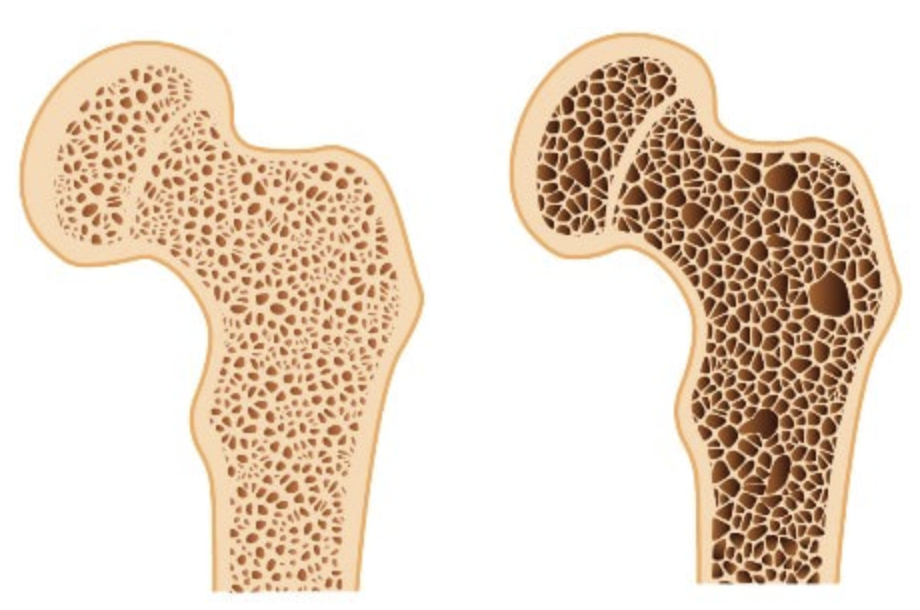
Image on the left: example of a healthy bone with strength training
Image on the right: example of a non-healthy bone without strength training
Our bones are living tissue, which means they're constantly responding and adapting to the demands we place on them. When we strength train, our muscles pull against our bones and the exercises place mechanical stress on our skeleton. That loading helps stimulate the processes involved in maintaining and building bone tissue.
This is super important, because as we age (and particularly as estrogen levels decline during menopause), we become more vulnerable to losing bone density. Over time, that can increase our risk of osteoporosis and fractures.
A 2025 meta-analysis of 17 randomized controlled trials involving 690 post-menopausal women found that resistance training improved bone mineral density at several important sites, including the lumbar spine, femoral neck (which is what’s pictured on the right) and total hip.*
This information confirms that we're not just building muscles that help us lift heavier weights, which is also fun and cool, but we're actually giving our BONES a reason to adapt and help protect us as we age!
Now, strength training isn't a guarantee against osteoporosis, and our bone health is influenced by nutrition, hormones, genetics and other factors too, but progressive resistance training is one of the tools we can use to support our skeletal health for the long haul.
2. Building Muscle Supports Metabolism and Blood Sugar Regulation
When we talk about metabolism, I think a lot of us immediately think about how quickly our bodies burn calories or whether we're gaining or losing weight. But our metabolic health involves SO much more than that!
Our skeletal muscles play a major role in how our bodies use and store glucose (blood sugar). When we eat carbohydrates, our muscles can take up glucose from our bloodstream and use it for energy or store it for later. And when we strength train, we're not just increasing our ability to lift weights, but we're also supporting how our bodies respond to insulin and manage blood sugar.
Research has shown that resistance training can improve insulin sensitivity and certain measures of glucose regulation, although the size of those benefits varies across studies.* But again, this is especially important because metabolic health influences our long-term risk of conditions like type 2 diabetes and cardiovascular disease. And I think the point to emphasize here is that the metabolic benefits of strength training are NOT dependent on seeing a smaller number on the scale! Our muscles are doing important work behind the scenes, whether or not our body weight changes.
3. Strength Training Improves Balance, Mobility and Independence
For all of us who are thinking long-term about their health, this one might be the most important one of all.
When you’re younger, you may not necessarily think twice about getting up off the floor, carrying groceries, climbing stairs, picking something heavy up or keeping our balance when we stumble. In fact, maybe you would take a tumble every now and again and look up to see people giggling and laughing because it was funny. But as aging occurs…suddenly tumbles and falls are absolutely NOT funny anymore, because even just a small fall can absolutely have serious repercussions.
But overall, the strength and physical capacity required to do those functional activities become increasingly important as we age in order to maintain your independence!
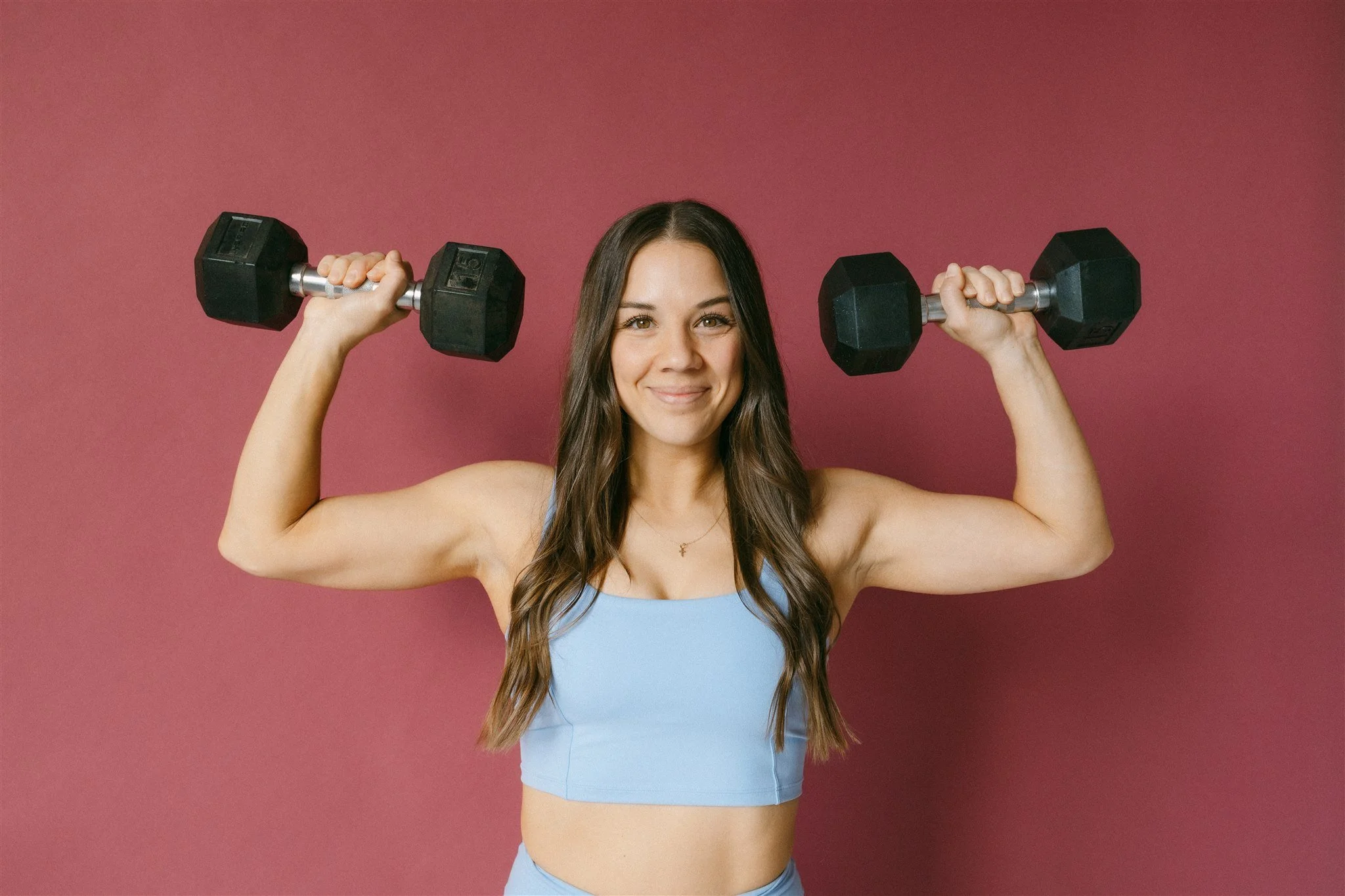
Strength training helps to maintain the muscle strength needed for those functional, everyday activities that are required for independence and overall quality of life. And when we incorporate exercises that challenge balance, coordination and different movement patterns, we're also practicing skills that help us navigate daily life.
As aging occurs, these are actually the things that really MATTER. If you have an elderly family member or friend, you have likely seen the importance of these things as you witness how they are navigating an aging life. It’s not about whether you can squat a certain amount of weight or how many consecutive push ups you can do, or what you look like in a swim suit, but instead whether you have the strength to travel, hike, play with kids or grandkids, get up off the ground and continue doing the things you LOVE, even into the next stage of life!
I don’t know about you, but these are things I am constantly thinking about! I’m training for myself right now, but also myself in 20, 30, 40, even 50 years from now! I’m training for my independence and for having the best quality of life that I can have and for as long as I possibly can!
4. Resistance Training Supports Heart Health and Mental Well-Being
We tend to associate cardiovascular health with walking, running, biking or other forms of cardio. And those activities are absolutely important! But strength training deserves some credit here, too.
Regular resistance training can help improve certain cardiovascular risk factors, including blood pressure. Research has found reductions in blood pressure among adults participating in resistance training programs, although the effects vary depending on the population and training approach.*
And the benefits aren't necessarily limited to just our physical health either! Strength training has also been associated with improvements in depressive symptoms (in comparison with control groups).* I LOVE that we're seeing more research on how exercise supports our mental health, because our overall well-being is about SO much more than just the physical changes we can see.
Of course, lifting weights isn't a replacement for medical or mental health care when we need it, and strength training doesn't replace aerobic exercise, but both deserve a place in the bigger picture of our long-term health, and obviously something to note when talking about all the benefits we reap when we decide to make strength training a part of our routine.
5. Strength Training Supports Core and Pelvic Floor Function
And y’all KNOW I couldn't talk about the benefits of strength training for women without bringing our core + pelvic floor into the conversation! As a pelvic floor physical therapist, one of the things I emphasize ALL the time is that our pelvic floor doesn't work in isolation.
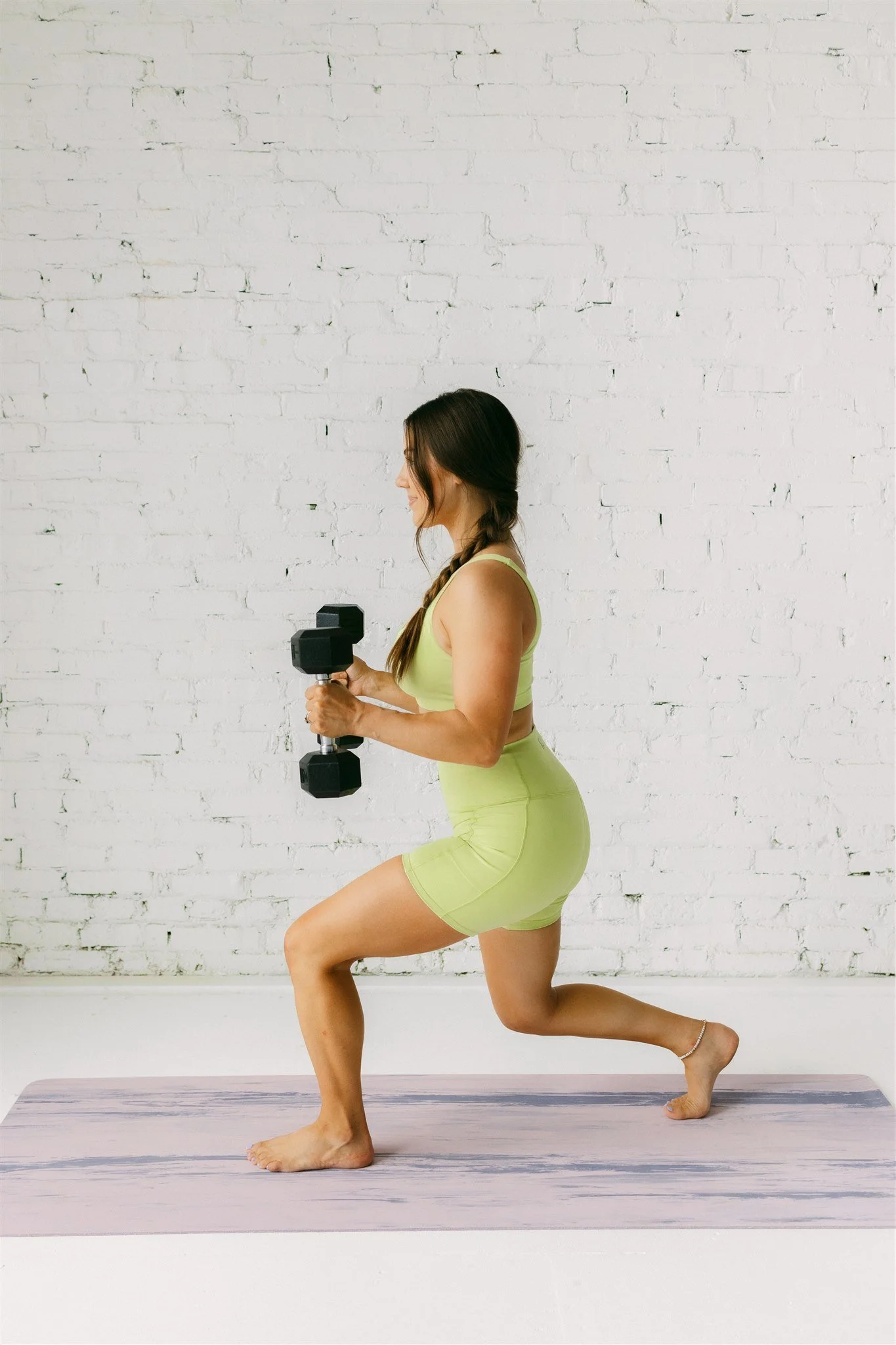
Our pelvic floor, deep abdominal muscles, diaphragm, hips and surrounding muscles work together as we breathe, move, lift and manage pressure throughout our bodies, and those muscles need to be able to respond to different demands! Whether we're lifting a heavy grocery bag, carrying a toddler, doing a squat or working through a challenging strength workout, our core and pelvic floor are part of the system helping us manage that movement.
This is why I love combining intentional core + pelvic floor training with progressive full-body strength training. We can work on breathing, coordination and learning how to engage AND relax our muscles, then gradually build the strength and capacity to handle more challenging movements. And NO, this doesn't mean that we all need to be constantly squeezing our pelvic floors as hard as we can while lifting weights! We just want to develop a system that can coordinate and respond appropriately to the demands being placed on it.
Strength training alone isn't a treatment for every pelvic floor symptom, but incorporating appropriate strength work alongside individualized pelvic floor training can be a valuable part of our overall health and function. Because we don't just want to be strong in one isolated exercise or one specific muscle group. We want to build strength that carries over into our everyday lives!
why is strength training important during perimenopause and menopause?
Let's talk about perimenopause and menopause with a little more detail for a minute, because this is a stage of life where strength training becomes especially valuable for women in particular. During perimenopause, our estrogen levels begin to fluctuate, and eventually decline as we transition through menopause. And estrogen does a LOT more than regulate our menstrual cycles! It also plays a role in maintaining bone health, muscle function and how our bodies store and distribute fat.*
This is one reason why women may start noticing changes in their body composition, recovery or overall strength during this stage of life, even if their routine hasn’t necessarily changed all that much. And while we can't control every hormonal shift happening in our bodies, we CAN continue giving our muscles and bones the stimulus they need to stay strong!
I do want to make sure to be clear that strength training isn't going to stop menopause or eliminate every symptom that comes along with it. But it IS one of the most valuable habits we can carry into this next phase of life. And whether we're just entering perimenopause or have been postmenopausal for years, it's never too late to start!
Changes are going to happen throughout the span of our lives…and the most important thing we can do for ourselves is to work WITH our bodies to keep building the strength and physical capacity to support us THROUGH those inevitable changes.
how to build muscle and strength as a woman
Okay, so we've covered WHY strength training is so important for our long-term health, now let’s talk about how to actually go about building strength that LASTS!
Luckily the answer is NOT spending hours and hours at the gym, jumping straight into lifting HEAVY weights or doing a complete 180 to everything you’re currently doing…in order to see benefits. But what we DO need to focus on is challenging our muscles and give our bodies time to adapt…which is where progressive overload comes in.
Progressive overload essentially means gradually increasing the demands we place on our muscles over time, whether that's lifting heavier weights, adding repetitions, increasing our training volume or progressing to more challenging exercises. Those 5 lb dumbbells might be exactly where we need to start, but as we get stronger, our workouts should grow WITH us! This is also why I love using my B.U.I.L.D. framework as a reminder of what goes into sustainable strength training:
B - BREATH: Coordinate our breathing, deep core + pelvic floor as we lift.
U - UNDERSTAND: Learn how our bodies move and how to appropriately challenge them.
I - INCREASE: Apply progressive overload so our muscles continue adapting.
L - LIFESTYLE: Prioritize sleep, recovery + consistency.
D - DAILY NOURISHMENT: Fuel our bodies with adequate protein and nutrition to support muscle growth.
Each of these pieces plays a role in building strength for the long haul! And if you want to dive deeper into the B.U.I.L.D. framework (which is what I use in all the Mind Body Core programs and app) and how to apply it to your workouts, I've broken it all down in a separate blog post you can check out here!
How Often Should Women Strength Train?
For most healthy adults, a great starting point is at least three days of muscle-strengthening exercise per week, working all our major muscle groups. And if we're ready for more, training 4 to 5 days per week can give us additional opportunities to build strength, depending on how we structure our workouts, recover and progressively challenge our muscles.
But remember, more isn't automatically better if we can't consistently maintain it! Two intentional, well-planned strength sessions that we can actually stick with are going to serve us much better than an overly ambitious routine we abandon after two weeks. Start where you are, challenge your muscles appropriately, prioritize recovery and continue progressing as you get stronger!
Because the next 2 weeks or 6 weeks isn’t really what matters here…if we are really focused on the long-term, then we want to build a routine that supports us through the next phase of life. And the next. And the next, for years to come!
strength training for EVERY stage of life with mind body core
Building muscle isn't just about what our bodies can do TODAY, it's about investing in what we want our bodies to be capable of doing for YEARS to come! And this is a HUGE part of why I created Mind Body Core.

If you've been following me for a while, you probably know that I'm pretty passionate about prenatal + postpartum recovery. And while those are absolutely a big part of what we offer inside MBC, this membership was designed to support us through SO much more than pregnancy and early postpartum!
Whether you’re getting started with strength training, looking for a structured program to follow, navigating perimenopause or menopause, or simply wanting to continue challenging yourself through the different phases of life, there's a place for you inside MBC!
The Weekly Workouts Program is designed to help you build strength consistently
The 8-Week Strength Foundations Program is for those wanting more structure
And the Women's Health Nutrition resource is there to support you beyond the workouts themselves!
And that's alongside the mobility programming, a dedicated core + pelvic floor program that grows with you, and my signature Prenatal and Postpartum programs for those stages of life too!
The goal has ALWAYS been to bring the full picture together. Not just isolated core exercises. Not just strength training. But intentional, progressive programming that considers how our bodies move, function and change throughout our lives.
*Sources Referenced: Nunes, P. R. P., et al. (2024)., Refalo, M. C., et al. (2025). Zhao, F., et al. (2025). “Effect of resistance exercise on ambulatory blood pressure: Systematic review and meta-analysis.” (2025). https://pubmed.ncbi.nlm.nih.gov/40840538/. “Resistance training for depression: A systematic review and meta-analysis of randomized controlled trials.” (2025). https://pmc.ncbi.nlm.nih.gov/articles/PMC12745427/. Whitman, P. W., Alexander, C. J., Kaluta, L., Burt, L. A., & Gabel, L. (2025).