
Why Your Brain Matters in Postpartum Core + Pelvic Floor Rehab
Written by Dr. Lizzie Kieffer, DPT.
Have you ever tried to do a postpartum core exercise and thought, “I know I’m supposed to be engaging something...but I’m not really sure I feel it?” Because honestly, I have heard that from a lot of women who are just entering into the Mind Body Core world in hopes that they’ll be more directed, cued and educated than they have been up until now.
And here’s the thing…after pregnancy and birth, it’s common for your core and pelvic floor to feel different or harder to connect to. Your body has gone through months of physical changes, followed by birth (whether vaginal or C-section) and simply jumping into a bunch of random core exercises isn’t necessarily going to rebuild that connection.
Because postpartum rehab isn’t only about your muscles. Your brain is involved, too! And your brain and body HAVE to communicate to coordinate your breath, deep core and pelvic floor during movement. And rebuilding that connection takes intentional practice, repetition and gradual progression.
This is where something called “neuroplasticity” comes in. And before that word makes this sound WAY more complicated than it needs to be...stick with me. I’m going to break down what neuroplasticity actually means, why repetition matters during postpartum core and pelvic floor rehab, and how the way you approach your exercises can make a difference in rebuilding that brain-body connection.
Because there’s a lot more happening during postpartum rehab than simply making your abs stronger…and there’s a reason our Prenatal and Postpartum programs are housed under the title of “MIND Body Core”. So, let’s get into it!
what is neuroplasticity and why does it matter for postpartum rehab?
Let’s start with the simplest explanation: neuroplasticity is your brain’s ability to change and adapt based on what you repeatedly practice and experience.
So, what does that have to do with your postpartum core and pelvic floor? A lot, actually!
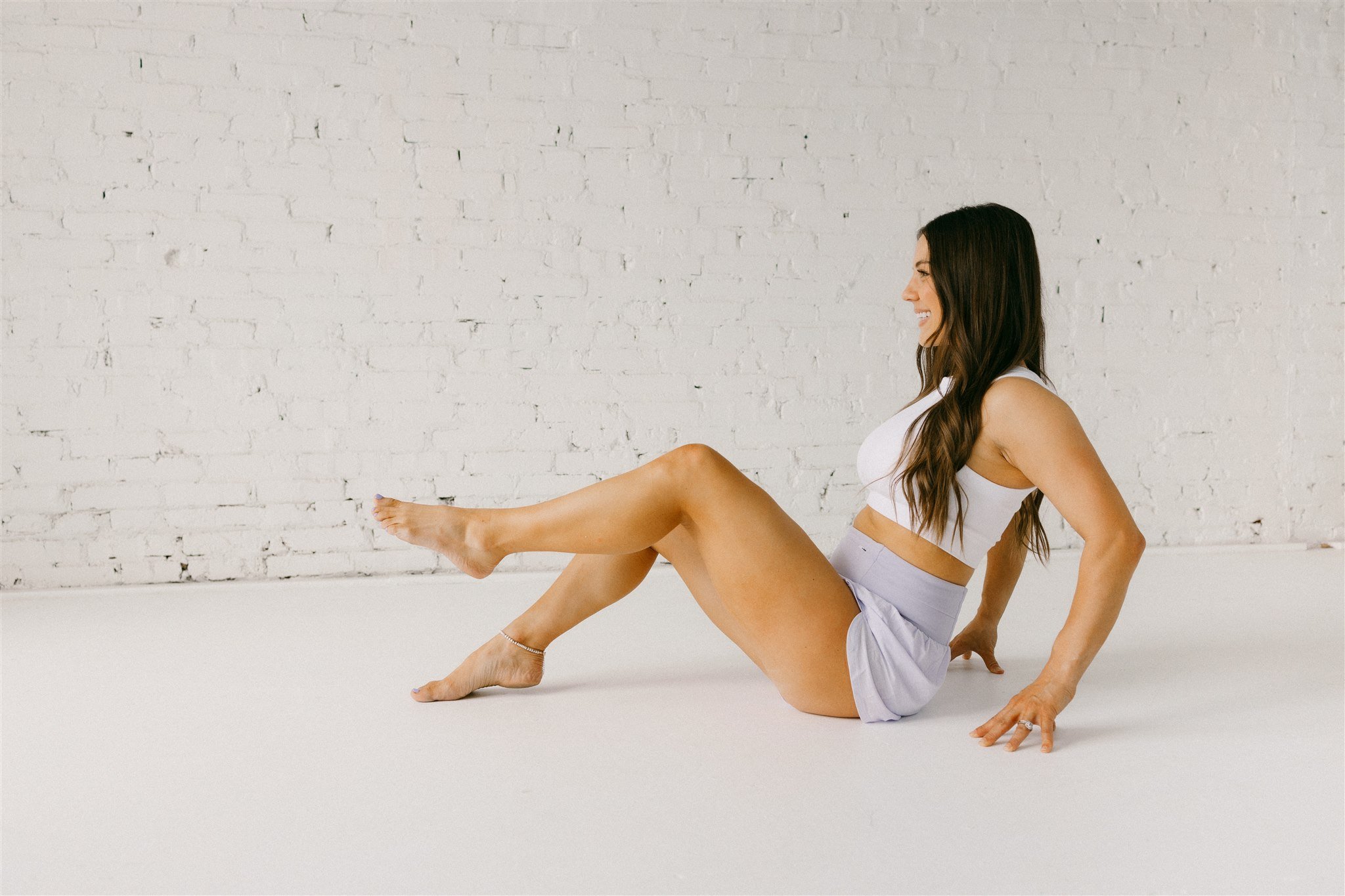
When you practice coordinating your breath with your deep core and pelvic floor, you aren’t just exercising those muscles. You’re also asking your brain and nervous system to communicate with those muscles in a specific way. And just like building muscular strength takes more than one workout, improving that brain-body connection takes more than doing an exercise correctly once or twice.
Your brain needs repetition.
Every time you intentionally practice that connection, you’re giving your brain another opportunity to recognize the pattern, communicate with those muscles and get better at coordinating them during movement.
This is part of why I don’t love the idea of taking a random approach to postpartum rehab. If you’re constantly bouncing between different core workouts or trying a new exercise every time you see one on Instagram or YouTube, you may be missing one of the most important pieces of rehabilitation: enough intentional repetition for your brain and body to actually learn what you’re asking them to do.
And no, that doesn’t mean doing the exact same five exercises forever. There’s a difference between repetition and stagnation...which brings us to how we can repeat movement patterns while continuing to progress them!
why repetition matters in postpartum pelvic floor and core rehab
If repetition is one of the ways your brain gets better at communicating with your muscles, then it makes sense that constantly switching up your postpartum core exercises isn’t always the best approach to rehab. This doesn’t mean variety is bad or that you need to repeat the exact same workout over and over again. But especially when you’re trying to rebuild your connection to your deep core and pelvic floor, your body needs enough opportunities to practice a movement pattern for that pattern to become more familiar and coordinated.
Think about learning any new skill. If every time you practiced, someone handed you an entirely different task, it would be a lot harder to get really good at any one of them. Postpartum rehab works similarly: we want enough repetition for your brain and body to recognize what you’re asking them to do, while still gradually changing the challenge as you become more capable.
This is also why a lot of my cueing in the Mind Body Core app will repeat some similar verbiage or phrases from the beginning foundational exercises that you learned in the early postpartum time. Even repeated phrases or cueing can be really helpful with neuroplasticity and building that mind to body connection!
And lastly, you might be doing plenty of exercise, but that doesn’t necessarily mean there’s an intentional progression behind what you’re doing. Good postpartum rehab should build on itself, giving you enough repetition to improve your connection and coordination before gradually asking your body to do more. And that piece is really important, because repetition doesn’t mean we want you doing the same beginner core exercises forever. Once your brain and body understand the pattern, we can start changing the input and increasing the challenge while continuing to build on the connection you’ve already established!
how to progress postpartum core exercises as you get stronger
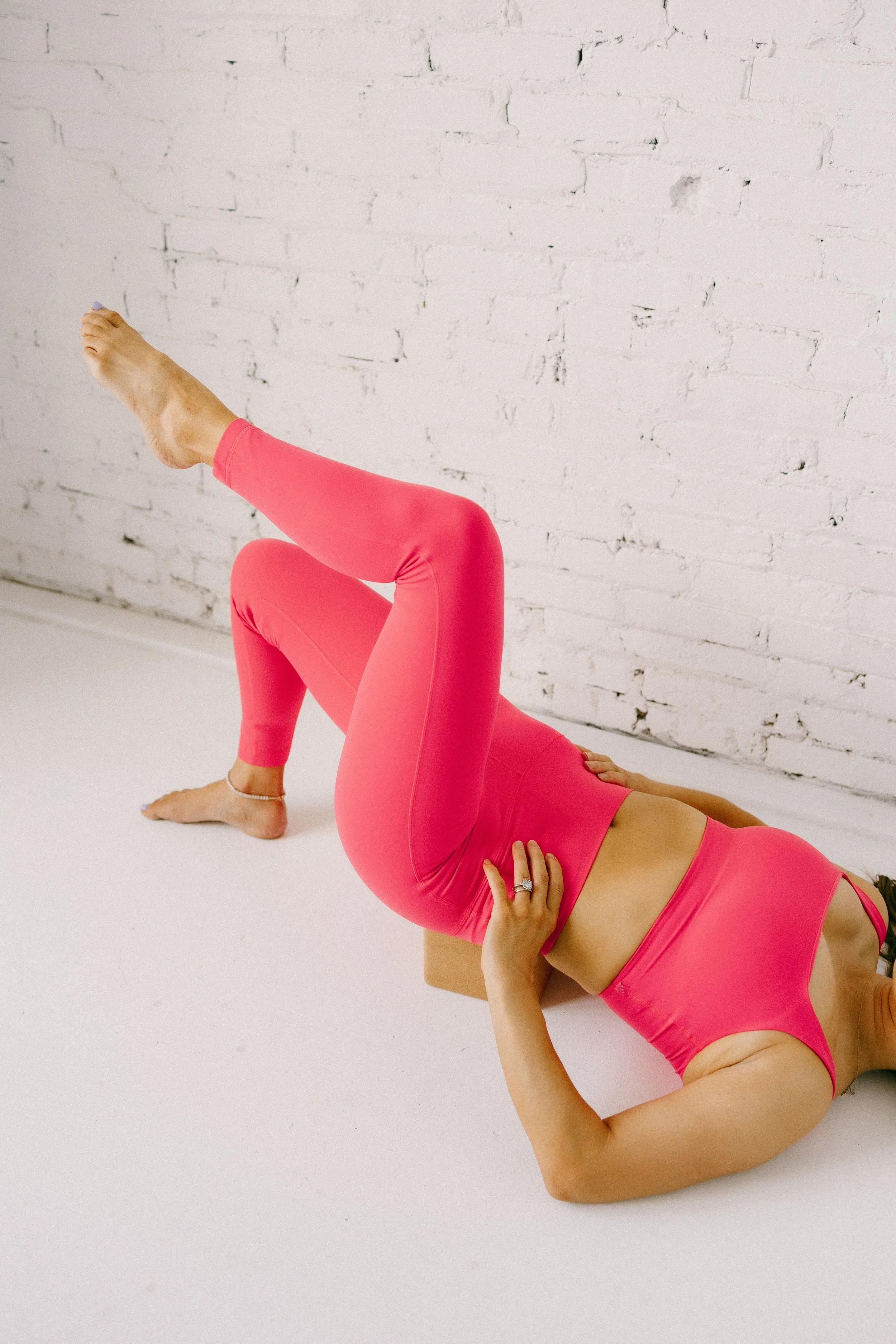
Repetition is important, but that doesn’t mean your postpartum core rehab should look exactly the same week after week. Instead, we can take movement patterns your brain and body are becoming familiar with and gradually change the demand. This allows you to continue practicing the coordination you’ve built while also giving your core a reason to adapt and get stronger.
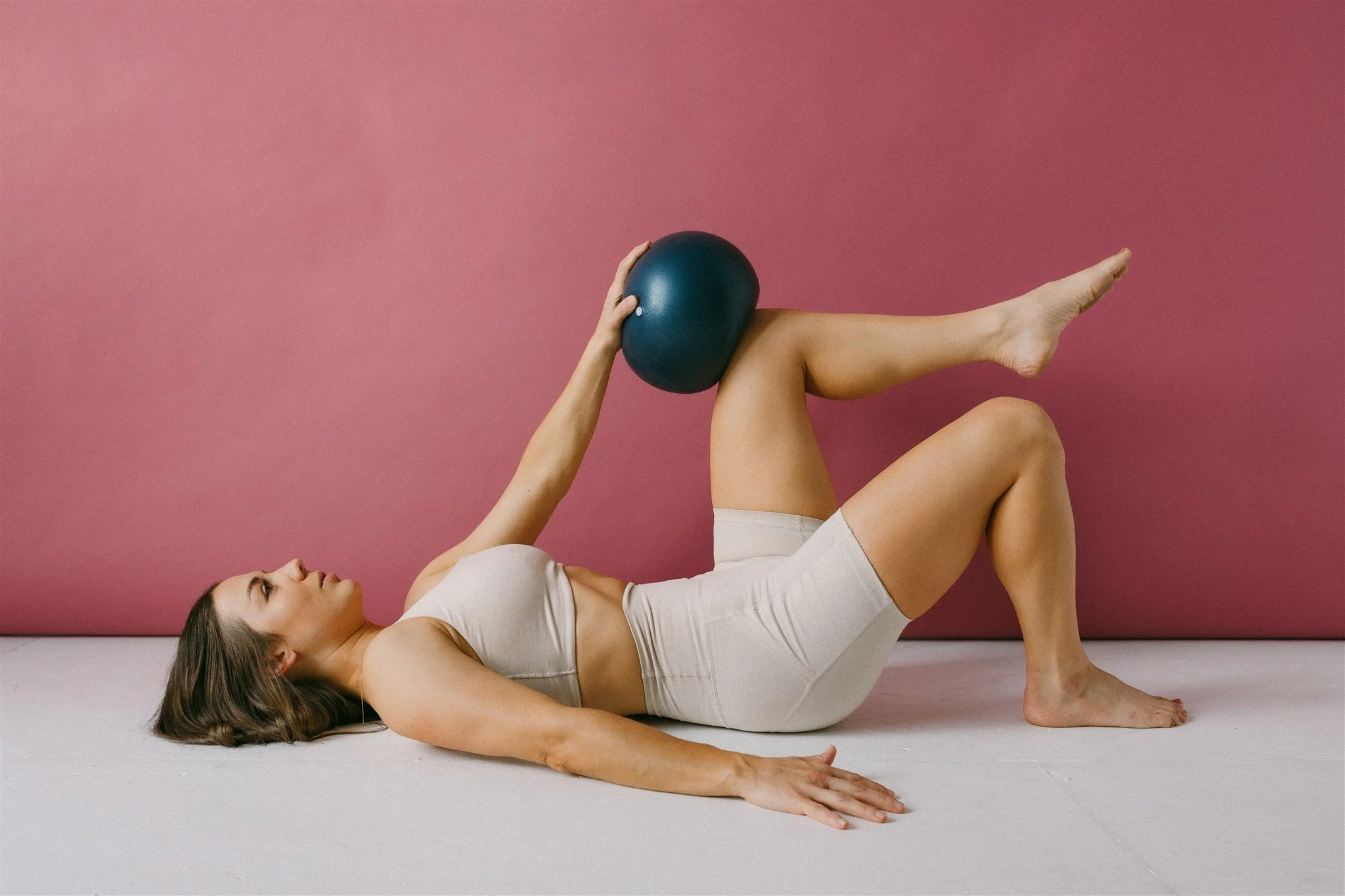
Take a simple supine march as an example. You may initially focus on coordinating your breath, deep core and pelvic floor as you slowly lift one foot at a time. As that becomes easier to control, we might add arm movement, extend an arm or leg farther away from your body to create a longer lever, introduce resistance or eventually incorporate similar core demands into more complex strength exercises. The exercise doesn’t have to become completely unrecognizable to become more challenging; sometimes we’re simply changing one piece of the movement and asking your body to respond to that new demand.
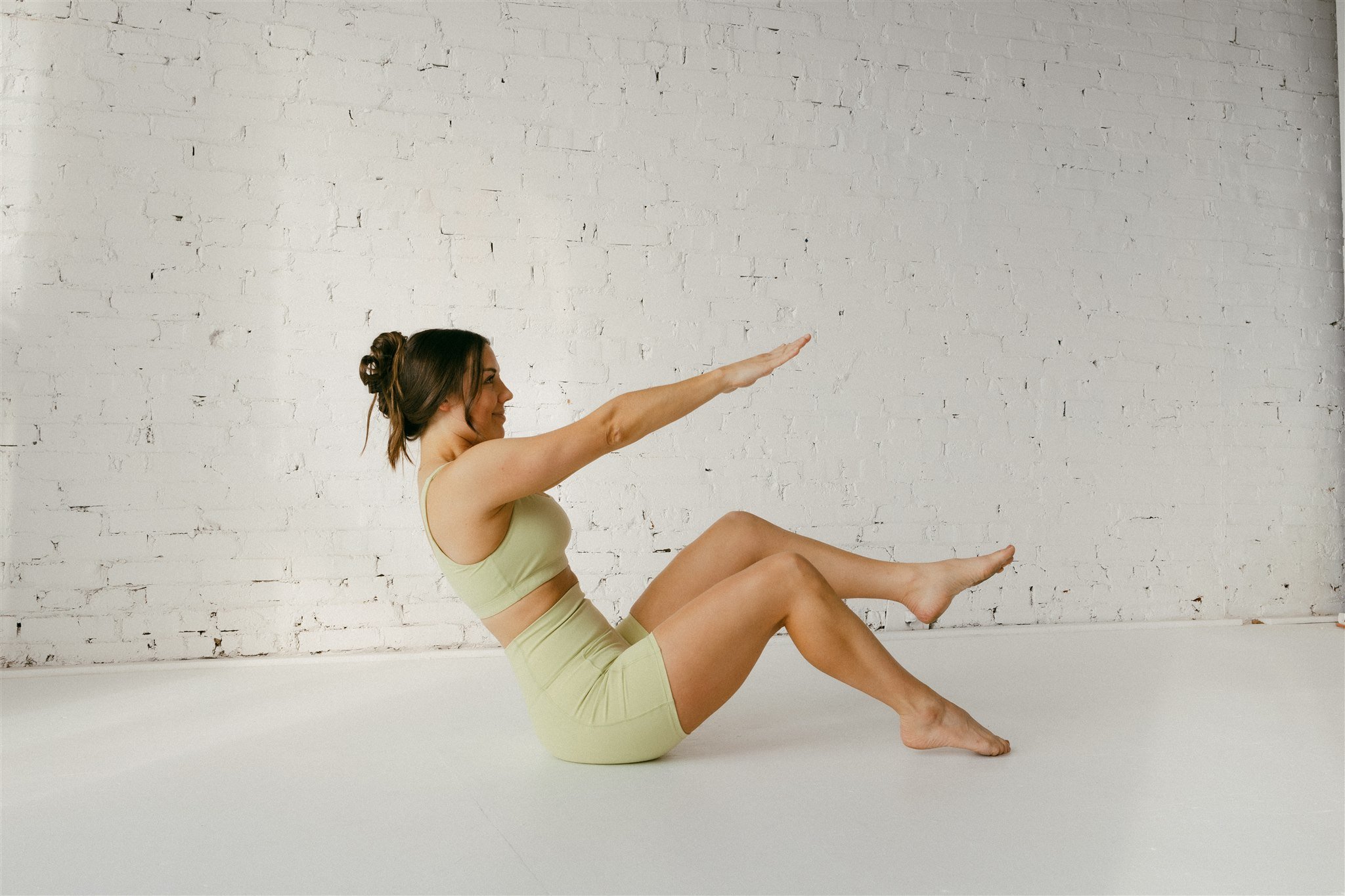
This is also why I like to think about core rehab as a progression from CONNECT → CONTROL → LOAD → PERFORM. First, can you find and coordinate your deep core and pelvic floor? Then, can you maintain that connection as your arms and legs move or your stability changes? From there, we can progressively add load and eventually ask your core to do its job during more dynamic movements, heavier strength training and the activities you actually want to get back to doing.
The goal of postpartum core rehab isn’t to keep you in “rehab mode” forever. We’re rebuilding a foundation so we can progressively prepare your body for more. Whether your goal is picking up your kids without symptoms, lifting heavier weights, getting back to running or simply feeling more connected and capable in your everyday movement, the exercises should eventually progress with you!
why your core and pelvic floor can feel harder to connect to postpartum
Your brain has a sort of “map” of your body that helps it process sensation and coordinate movement. In neuroscience, one way this is represented is through something called the homunculus, which shows how different areas of the body are represented within the brain. These maps aren’t completely fixed…they can change and adapt based on the input your nervous system receives and how you use and experience different parts of your body.
Pregnancy itself is a significant period of neuroplasticity, with research showing measurable changes in the maternal brain during pregnancy and into the postpartum period. At the same time, think about everything happening specifically to your core and pelvic floor: your abdominal wall and connective tissues are adapting to a growing baby, your posture and movement strategies are changing, and then your body experiences either a vaginal or Cesarean birth. It makes sense that when you come back to movement postpartum, your core and pelvic floor may not immediately feel or respond exactly the way they did before.
In rehab, there’s a term called “cortical smudging”, which is used to describe a body map that has become less distinct…smudged, if you will. This phenomenon has been studied in other musculoskeletal and pain conditions, where the brain’s representations of muscles or neighboring body regions can become less clearly defined. While we can’t definitively say that pregnancy automatically causes cortical smudging of the core or pelvic floor, the concept helps explain why re-establishing clear sensory input, awareness and coordination can be an important part of rehabilitation rather than focusing solely on making a muscle stronger.
This is also where compensation can enter the picture. If you’re having trouble coordinating your deep core and pelvic floor, you may notice yourself gripping through your upper abs, holding your breath, relying heavily on your low back or finding another strategy to accomplish the movement. Rather than simply pushing through more reps, postpartum rehab gives us an opportunity to slow the movement down, improve the input your brain is receiving and practice a more intentional strategy, which brings us to another important piece of the process: cueing!
why cueing matters during postpartum core and pelvic floor exercises
When it comes to postpartum core and pelvic floor exercises, what you do matters, but so does how you do it. You can follow along with the exact same exercise as someone else, but if you’re holding your breath, gripping through your upper abs or struggling to understand where you’re supposed to feel the movement, your body may be using a completely different strategy to get it done. This is one reason good postpartum rehab should involve more than simply handing you a list of exercises and telling you how many reps to complete.
Verbal, visual and tactile cues can give your brain additional information to help you better understand and coordinate a movement. A verbal cue might remind you when to inhale or exhale, where you should feel tension or how to adjust your position. Tactile cueing might mean placing your own hands around your rib cage or lower abdomen so you can actually feel your breath expanding or your deep core responding. And visual cueing means watching someone else do it and seeing the difference between doing it correctly or not. Different cues work for different people, which is why sometimes changing how something is explained can suddenly make an exercise click!
This brain-body piece of rehabilitation is especially interesting to me because before specializing in pelvic health physical therapy, I worked in neurological physical therapy. I’ve seen firsthand just how much the nervous system matters when we’re trying to change movement patterns, improve coordination and help the body relearn a skill. That experience continues to influence the way I teach postpartum rehab today: I don’t just want you to complete an exercise…I want you to understand what you’re doing, why you’re doing it and what you should be looking for as you progress!
And eventually, we want that coordination to carry over beyond the specific core exercise you’re practicing. Your core and pelvic floor are part of a much larger system, which is why effective postpartum rehab has to look beyond the pelvic floor itself.
why postpartum pelvic floor rehab should be a full-body approach
Your pelvic floor may be the area we’re talking about, but your pelvic floor doesn’t work in isolation. It works alongside your diaphragm, deep core, abdominal wall, hips and surrounding muscles to manage pressure, create stability and support you as you move. That means effective postpartum pelvic floor rehab needs to eventually look at how all of those pieces work together, not just how well you can perform an isolated pelvic floor contraction.
This is another reason postpartum rehab should progress beyond lying on your back and doing dedicated core or pelvic floor exercises. Those exercises can be incredibly valuable when you’re rebuilding your foundation, but ultimately, we want your core and pelvic floor to know how to respond when you squat, carry your baby, lift something heavy, walk, run or get back to whatever activities matter to you. The goal is to take the connection you’ve been practicing and integrate it into whole-body movement!
And we can take that even one step further. In the beginning, rebuilding that connection can feel very “manual”. You may have to really think about when to breathe, when to engage, when to relax and what you’re feeling as you move. But with intentional repetition and practice, those patterns can become more coordinated and increasingly automatic. Instead of consciously thinking through every step, your nervous system gets better at recognizing the demand and coordinating an appropriate response, which is ultimately what we want! Your core and pelvic floor need to support you through hundreds of movements throughout your day, and you shouldn’t have to consciously cue yourself through every single one of them. Pregnancy, birth and postpartum recovery can change how familiar or automatic some of those strategies feel, so part of rehab is intentionally practicing them until your body becomes better at accessing them again!
Ultimately, postpartum rehab is much bigger than doing more Kegels or finding the “best” core exercise…it’s about progressively helping your entire system work together again. And yes...there is clearly a LOT happening behind the scenes when postpartum rehab is programmed intentionally. But the good news is that you don't need to understand every piece of the science in order to benefit from it.
follow a postpartum pelvic floor and core rehab program that progresses with you
Here’s the good news…you do NOT have to think about neuroplasticity every time you do a workout…because that’s actually MY job! Nerding out over the science, figuring out how much repetition you need, deciding when and how an exercise should progress, and making sure the right cueing and education are there to help you understand what you’re doing is ALL a part of the behind-the-scenes inside Mind Body Core!
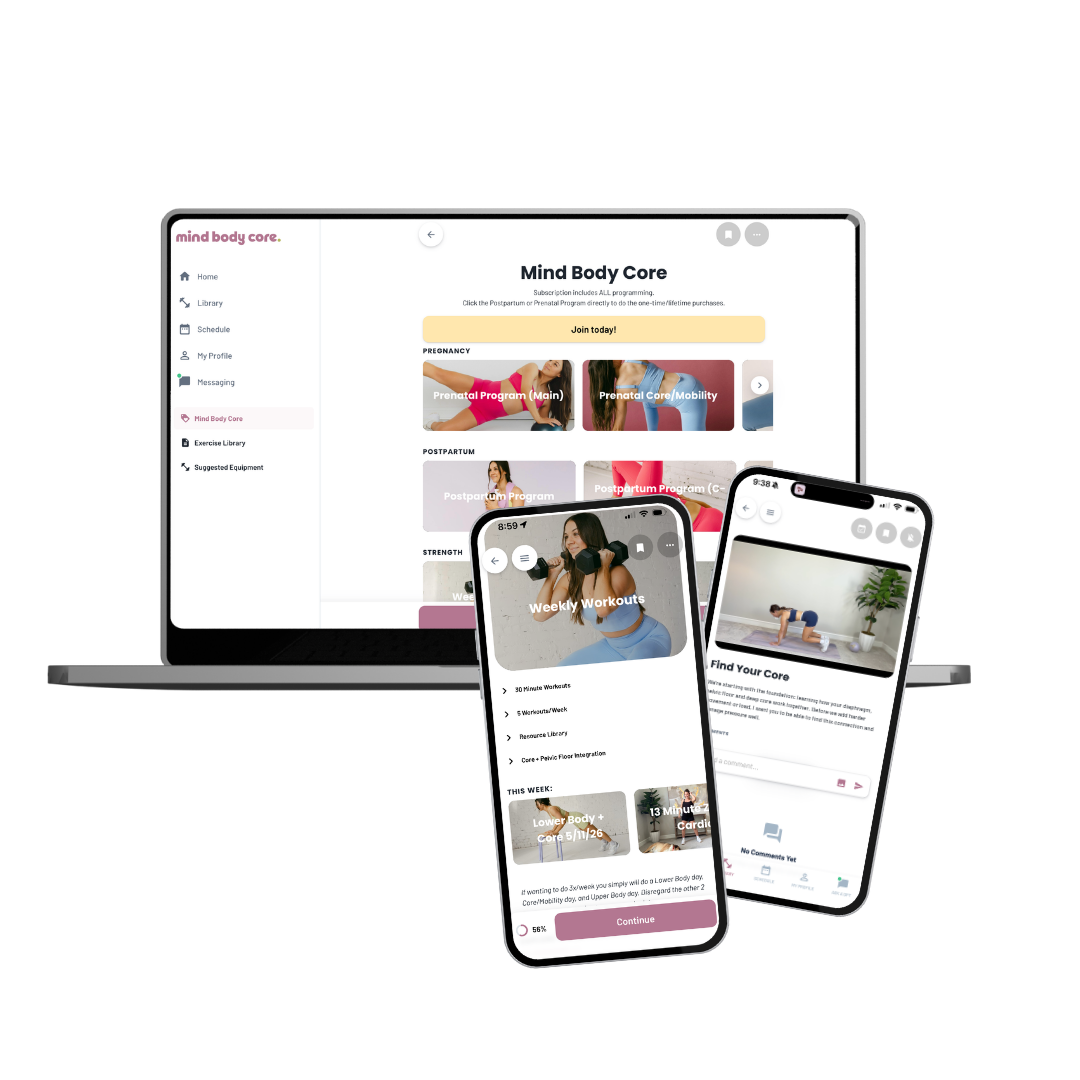
Instead of having to piece together random postpartum core exercises and wondering if you’re doing enough, progressing too quickly, missing an important step or even doing the exercise correctly, the hard work has already been done for you. The repetition, voice cueing, education and intentional progression are built into your program so that you can open the app, press play and focus on following along!
And your progression doesn’t stop once you’ve reconnected to your core and pelvic floor. Inside MBC, you can start with the Postpartum Program or C-section recovery pathway, continue building your core through Progressive Core, develop full-body strength through 8-Week Strength Foundations, and eventually move into Weekly Workouts and the other programs available inside the app (like joining a couple challenges throughout the year!). The goal is to meet your body where it is NOW while giving you a clear path forward as your strength, coordination and confidence continue to build.
You don’t need to understand every neurological or physiological piece happening behind the scenes to rehab well. You just need a program that does. Let me handle the neuro-nerd stuff so you can click play, follow the plan and know there’s intention behind what you’re doing!